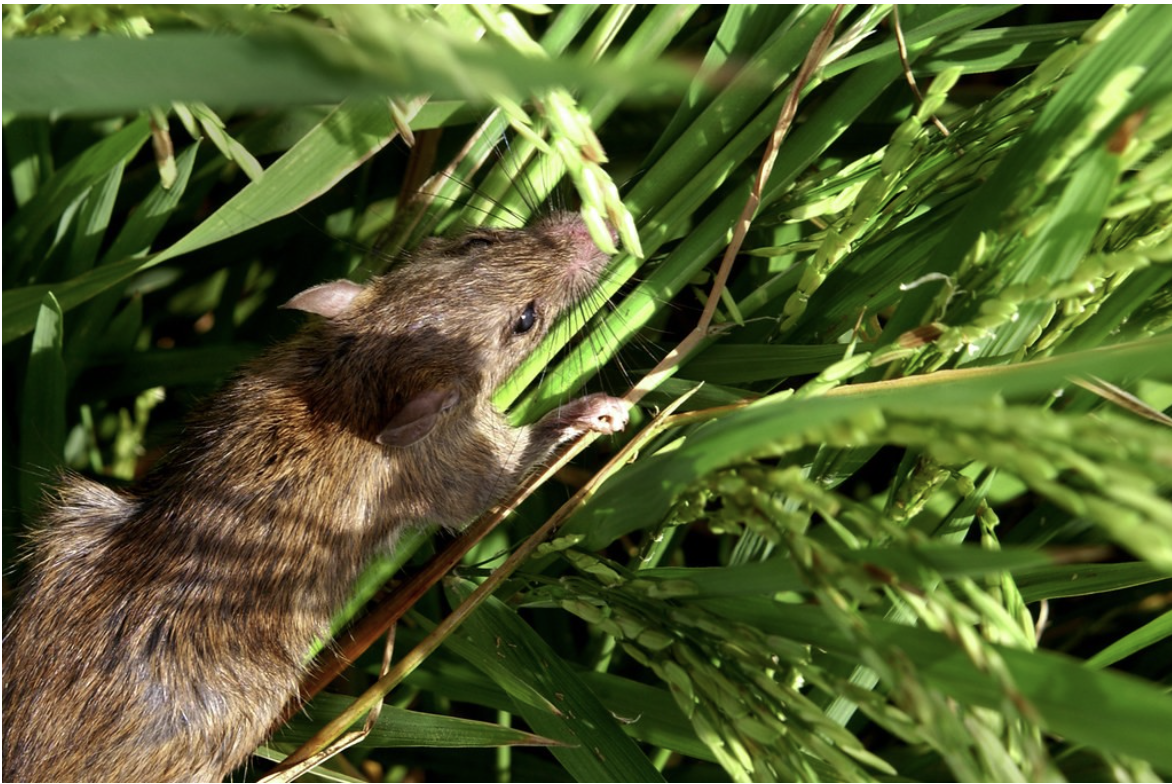
A design anthropology (and a warm data1 lens) of regeneration begins not with solutions but with learning to read. In Balinese rice fields, farmers have developed what might be called a diagnostic literacy.
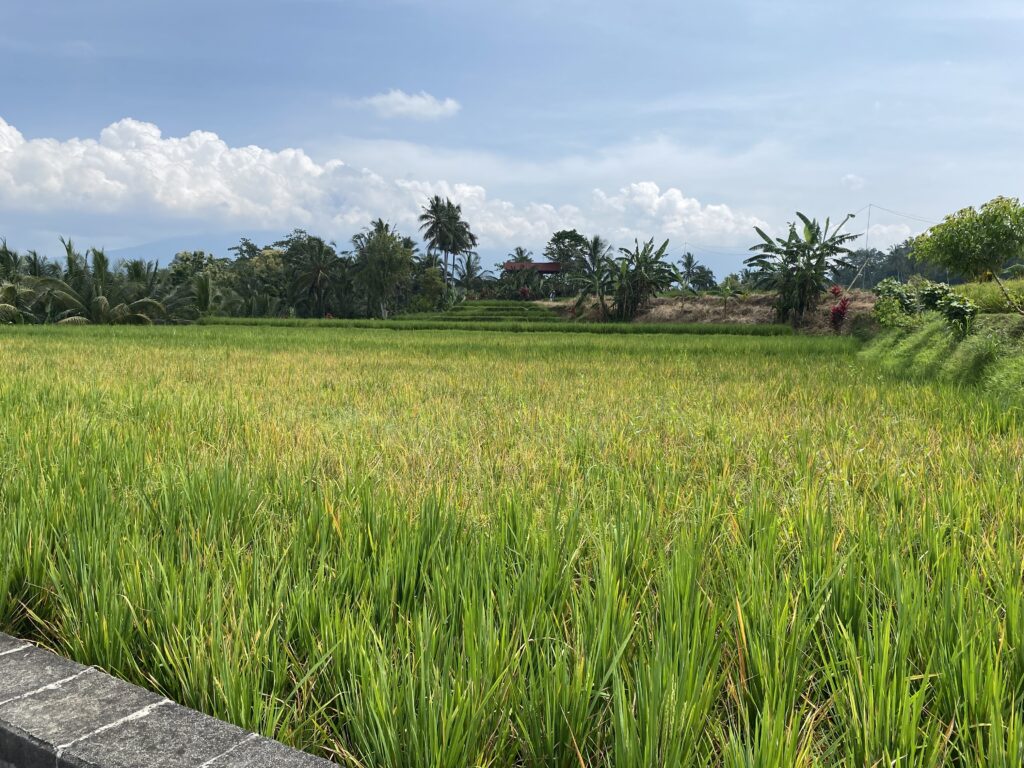
(Location: https://lnkd.in/eZyGyNP3)
Regenerative thinking is a perceptual training that requires cultivating the capacity to notice what systems are communicating before they reach crisis. The farmers’ knowledge of rat damage reads like field poetry; the farmer points out to us (in the picture above) how the rats are deliberate in their consumption of middle grain sections while leaving stalks intact for tooth-sharpening; the work from the middle of the field outwards. These aren’t random acts of consumption but patterns revealing intelligence, preference, and adaptation. The farmer also describes to us the ways in which rats have learned to move poison traps and extract the bait. They build elaborate tunnel systems that intersect with root architectures, both species engineering the underground in parallel creative adaptations.
What emerges is a picture of negotiated coexistence rather than warfare. The rats are not external threats to be eliminated but co-inhabitants with their own needs, aesthetics, and adaptive strategies. They play. They learn. They make choices about what and how to consume. A warm data lens asks: what happens when we observe these patterns not to dominate them but to understand the terms of relationship they propose?
Regenerative design requires us to consider:
Temporal attunement
Understanding vulnerability in cycles. Rice farmers know when plants are most at risk, when to intensify protection, when to expect loss as part of the system’s rhythm. Design practices that work in project cycles rather than seasonal or generational time miss these crucial patterns of exposure and resilience.
Multi-species literacy
Developing fluency in the sign systems of non-human actors. What are the rats teaching about the landscape’s carrying capacity? What are soil colors revealing about invisible microbial labor? Regeneration isn’t human restoration of damaged systems but participation in ongoing conversations between multiple forms of intelligence.
Acceptance of partial loss
The farmer described that he knows some grain will be consumed, some stalks will be sharpened away. They design for redundancy and diversity, ensuring that predation doesn’t compromise reproductive capacity. This is regeneration as generous abundance rather than anxious preservation; damage assessment becomes a language of relationship. Regeneration, then, is not about returning to some prior state but about creative adaption strategies and sharpening our capacity to read what is actually happening in the systems we are part of. It’s about recognising that the “rats’ tunnels” and the “plants’ roots” (described by the farmer) are both creating light in darkness, both participating in the ongoing composition of liveable worlds. The designer’s role shifts from problem-solver to pattern-reader and relation-tender who can facilitate diagnostic literacies and for communities to develop their own ways of witnessing and responding to the signs that matter in their particular ecologies.
This is slow work and asks designers to think like rice farmers: observing across seasons, learning from failure, understanding that protection is never total but always negotiated, always responsive to the intelligence and creativity of all the beings involved in making places liveable.