What changes when we add artisanal lenses?
Kinship work begins with a simple recognition: rice does not grow in isolation, and neither does knowledge. Okura et al.’s research (2023)1 demonstrates that innovation doesn’t always mean abandoning tradition and that sometimes, the most innovative approach uses modern tools to understand, preserve, and optimise ancient soil and water management practices that have sustained communities for generations. Soil functions as the ultimate boundary object, meaningful across disciplines, cultures, and knowledge systems, creating intersections where scientific, traditional, and artistic ways of knowing converge.
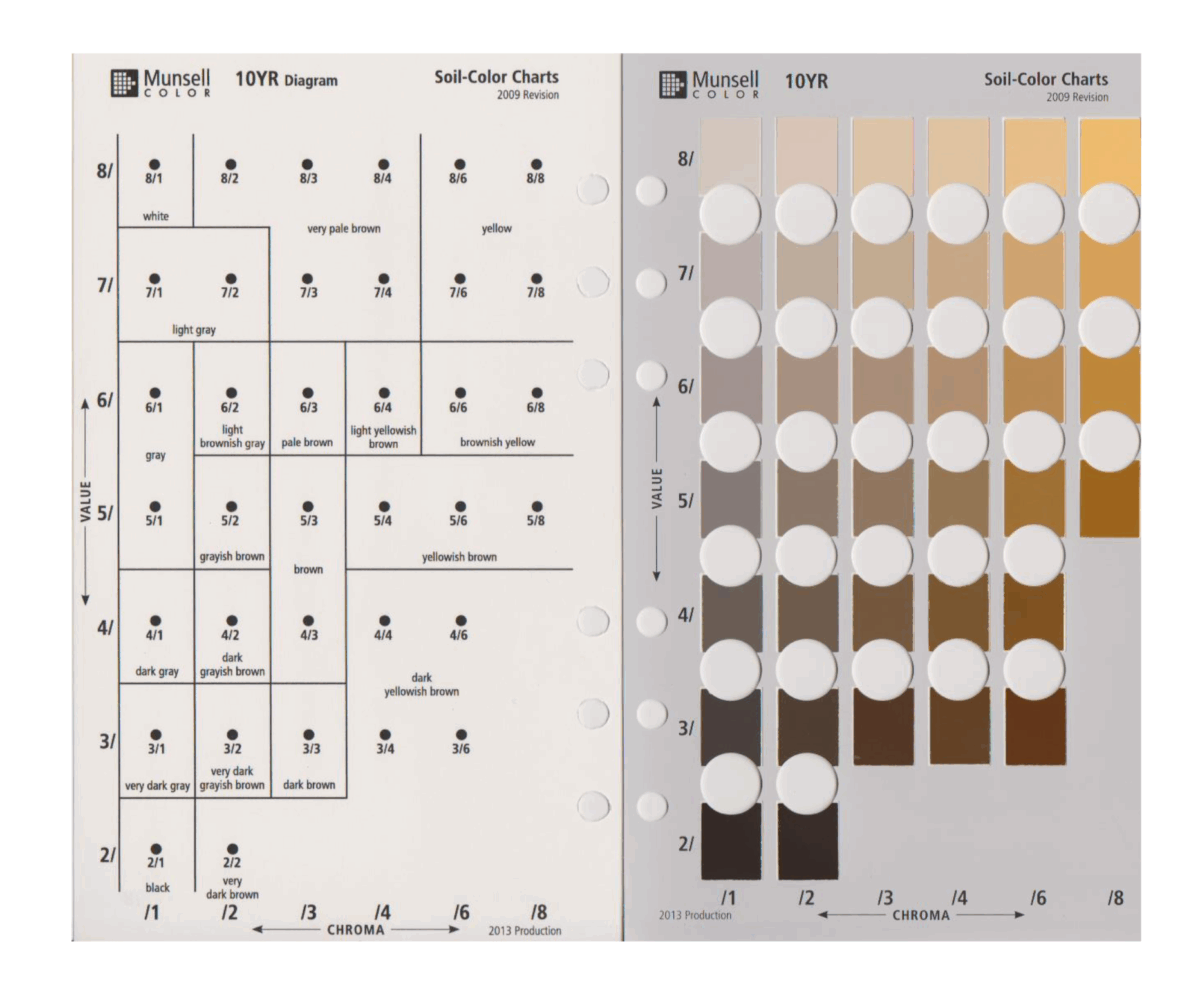
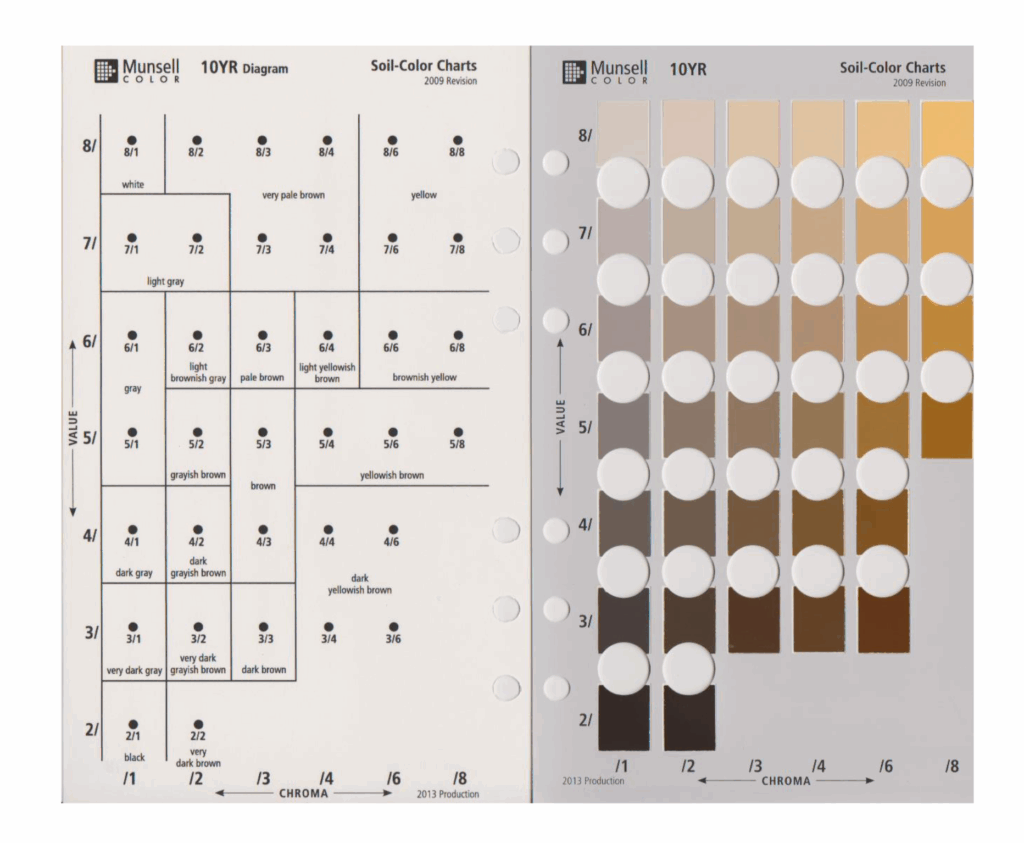
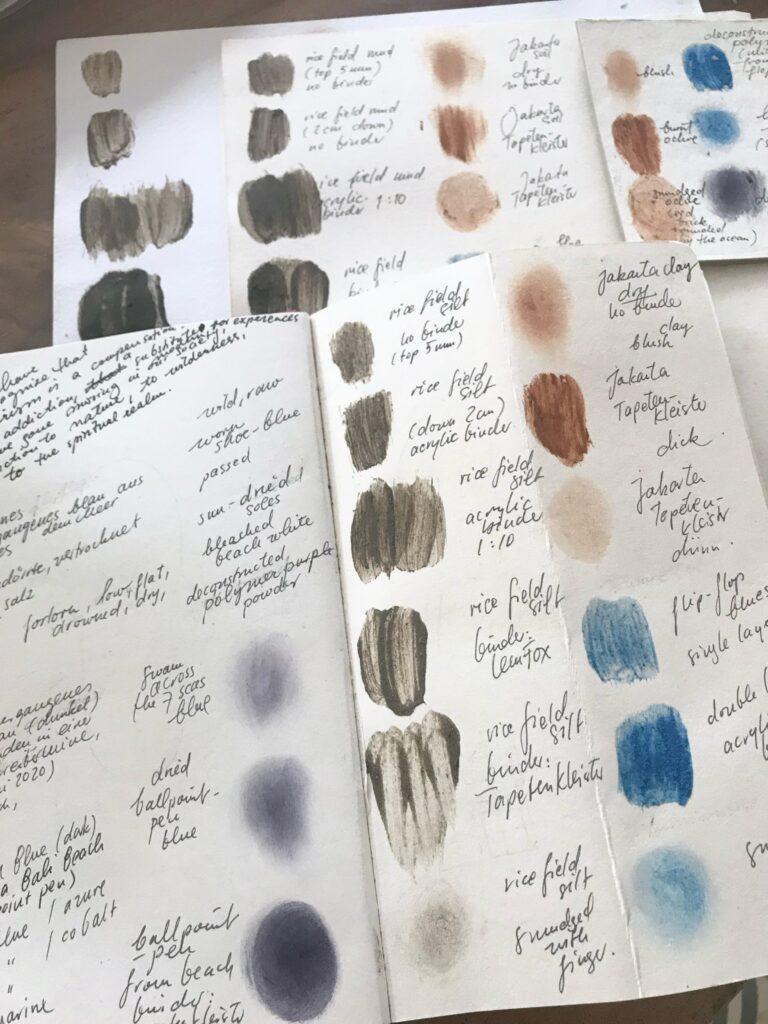
The photographs below from our fieldwork tell a visual story that spans from Udayana University’s Subak research, where Okura et al. (2023) documented irrigation infrastructure, to our collaborative work that applies a kinship lens, exploring soil art as both methodological response and creative practice. We approach soil as both medium and method: a living material that records history in its colours. This dual understanding emerged through the Munsell soil colour charts shared with us by the Udayana research team and through Liina’s rice field colour palette, which together reveal how soil communicates across time, place, and practice. By integrating artisanal perspectives such as the artist’s attention to colour and the farmer’s embodied knowledge of seasonal rhythms, we shift toward co-creative methodologies where communities and researchers generate knowledge together, and where that knowledge takes multiple forms: data and soil paintings, measurements and performances, publications and archives that communities can hold in their hands.
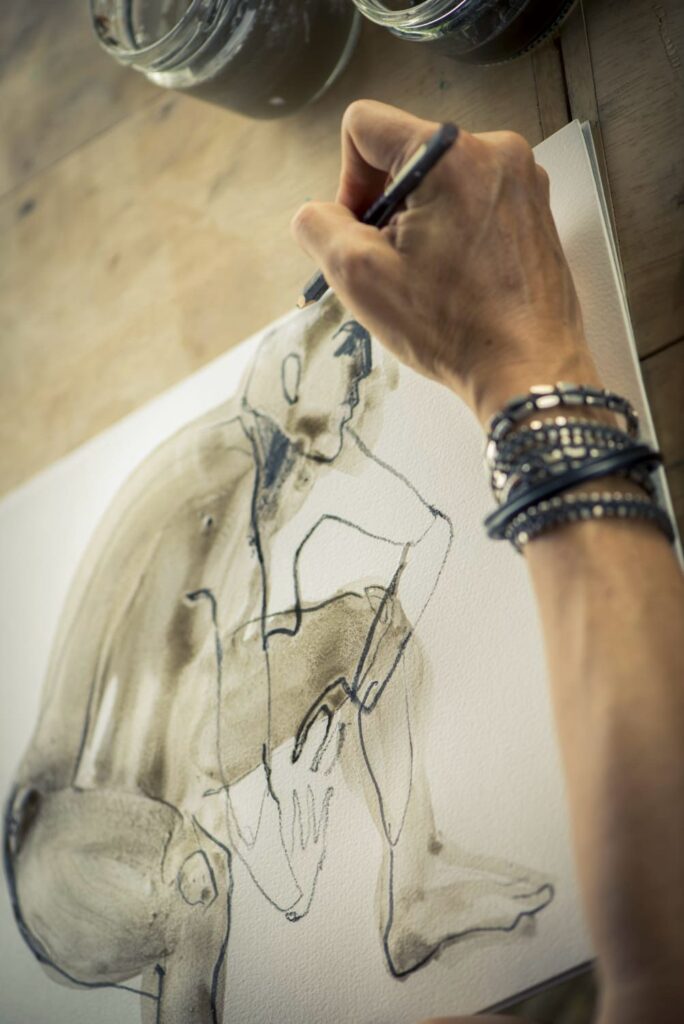
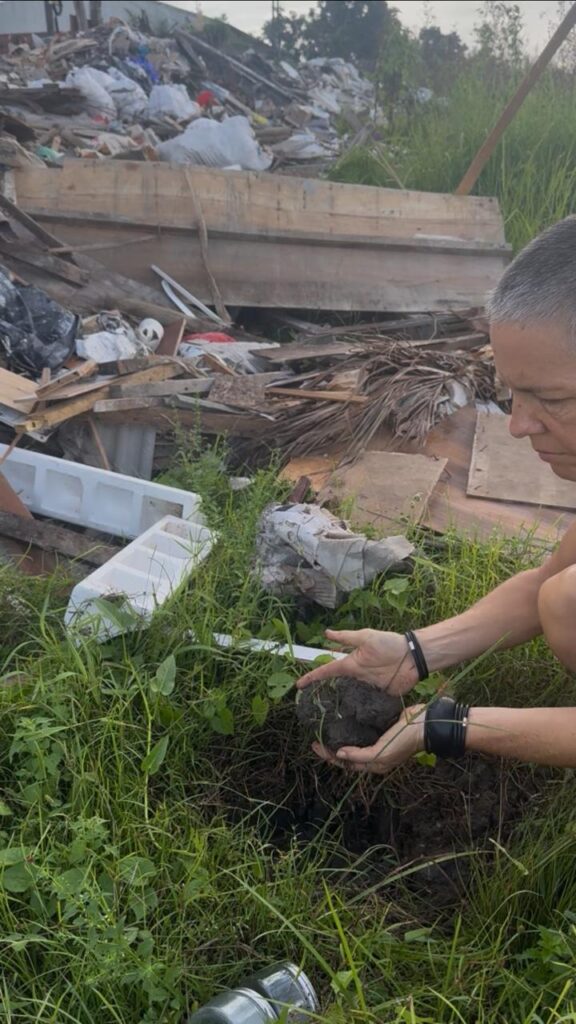
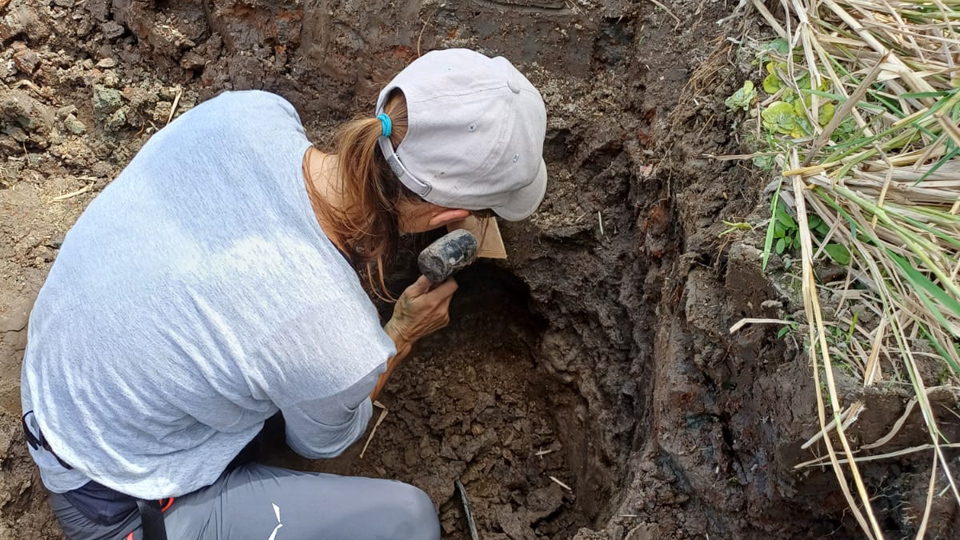
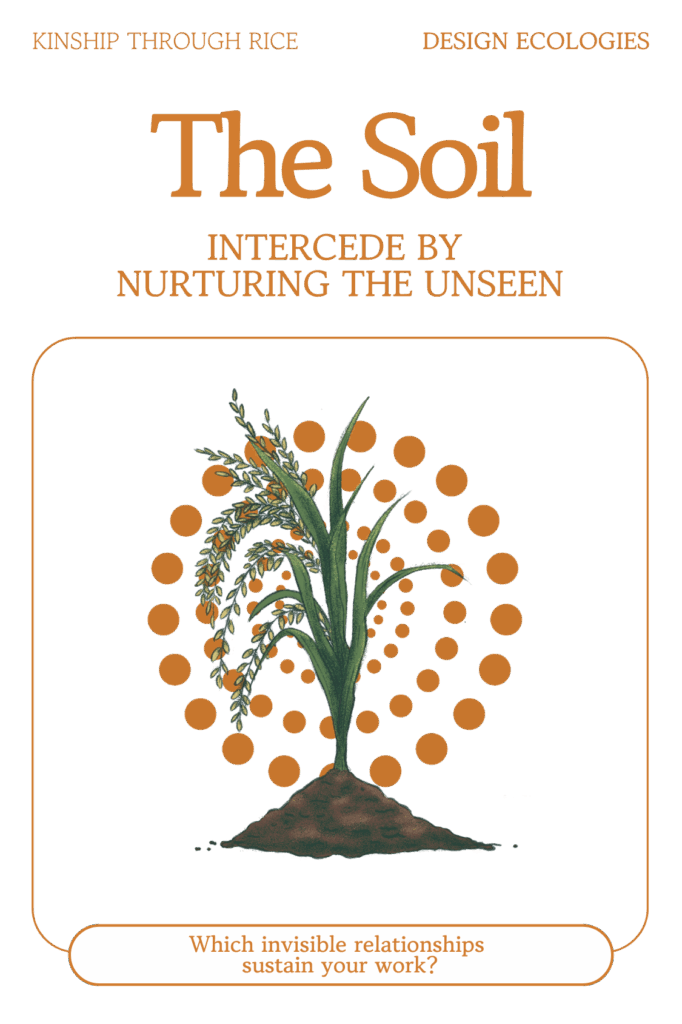
This collaborative framework reveals a profound insight: rice becomes the teacher, soil becomes the archive, and Liina’s soil art practice becomes the methodology that allows multiple ways of knowing such as scientific, embodied, aesthetic and spiritual that coexist and strengthen rather than compete. From this understanding, we designed our cultural probe, The Soil (seen in the gallery above), as a set of cards that facilitate relational knowledge building. Agriculture at its best has always been an art form, and that the separation between science and aesthetics, between data and beauty, between knowing and making, is a modern fiction that serves extraction better than it serves kinship.
The cards function as instruments for attentive observation, inviting users to document soil through Munsell colour notation, record seasonal transformations, trace water movements, and capture the embodied knowledge that lives in farmers’ hands. Through this design, we acknowledge what becomes visible when viewed through an artisanal lens: Subak farmers managing oxidation-reduction cycles in their paddies are performing biogeochemistry as choreography; communities gathering for temple ceremonies at planting and harvest are practicing ritual as systems coordination. By naming these practices as art, we recognise mastery where it exists and ask what modern research can learn when it approaches communities not as subjects to be studied but as teachers, collaborators, and fellow artists working with the most fundamental medium of all: the living soil that feeds us, connects us, and will outlast us if we learn to tend it with the care, attention, and creativity it deserves.
Our cultural probe cards embody this shift in methodology. Each card prompts different forms of documentation—visual, tactile, temporal, relational. In the same way that Liina’s soil portraits offer multi-layered representations that honour complexity rather than reduce it. Collaborators might collect soil samples to capture texture, arrange Munsell colour chips to track seasonal changes, sketch water flow patterns, or record oral histories of land preparation techniques. Our cultural probes offer a way for communities to archive their own knowledge in forms they can keep, share, and build upon. This is the kinship rice teaches, and this is the method soil art offers: not extraction but reciprocity, not data but relationship, not knowing about but knowing with.
- F. Okura, W. Goldramijaya, A. Fitriyah, N. Sulastri, Analysis of water allocation mechanism of a subak system in Tungkub irrigation area, Badung regency, Bali, Indonesia, Proceeding of Annual Conference, 2023, Volume 36, Proceedings of 2023 Annual Conference, Japan Society of Hydrology and Water Resources/Japanese Association of HydrologicalSciences, Session ID OP-I2-05, Pages 72-, Released on J-STAGE January 01, 2024, https://doi.org/10.11520/jshwr.36.0_72, https://www.jstage.jst.go.jp/article/jshwr/36/0/36_72/_article/-char/en ↩︎
artisan canang as method colour cooking utensil cultural probes culture Dewi Sri elders farmers fieldwork food aesthetics ITB students living systems framework Making kin nasi padang plants prototypes rats regenerative design Relational knowledge rice Rice godess rice husk rice relations rice straw soil as method soil life subak tiny beings warm data weaving women