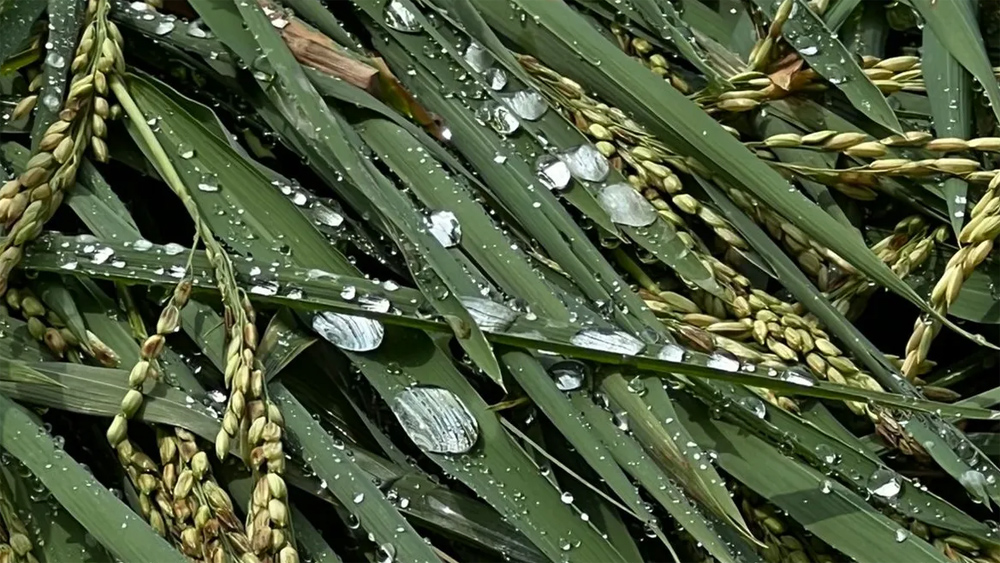
Kinship through Rice is theoretically grounded in relational and feminist approaches to knowledge-making. Donna Haraway’s (2016) work in feminist techno-science provides a critical materialist lens for exploring re/worlding that is asking not just what futures we imagine, but who is doing the imagining and from what relationships. Haraway’s attention to how connections between humans and non-humans reshape our understanding of ethics, politics, and ecology resonates deeply with Balinese cosmological principles. This framework is further enriched by Nora Bateson’s concept of “warm data” (2016) which she describes as information about the interrelationships that integrate a complex system, captured through multiple perspectives simultaneously. Bateson’s work holds particular significance for this research: her lineage through her father Gregory Bateson and grandfather Alfred Bateson connects directly to Bali, where Gregory Bateson’s groundbreaking anthropological work in the 1930s-40s revealed the island as a site of profound systemic intelligence. I was fortunate to be supported by the The Bateson Institute and attend Nora Bateson’s warm data training during this project, which deepened my capacity to recognise and document the complex interrelationships emerging in the rice fields. My own genealogical and lifelong connections to Indonesia create an additional layer of resonance, positioning this project as a return, a deepening of intergenerational relationships between thinking, place, and practice. Together, these theoretical framings support a methodology where kinship becomes both the means of inquiry and its outcome of warm data gathered through sustained relationships. A continued practice.
Categories
Theoretical framework